Emotional Intelligence in Action: Non-formal Training with 8th Grade “B” at St. Knyaz Boris I Secondary School – Asenovgrad (14 April 2025)

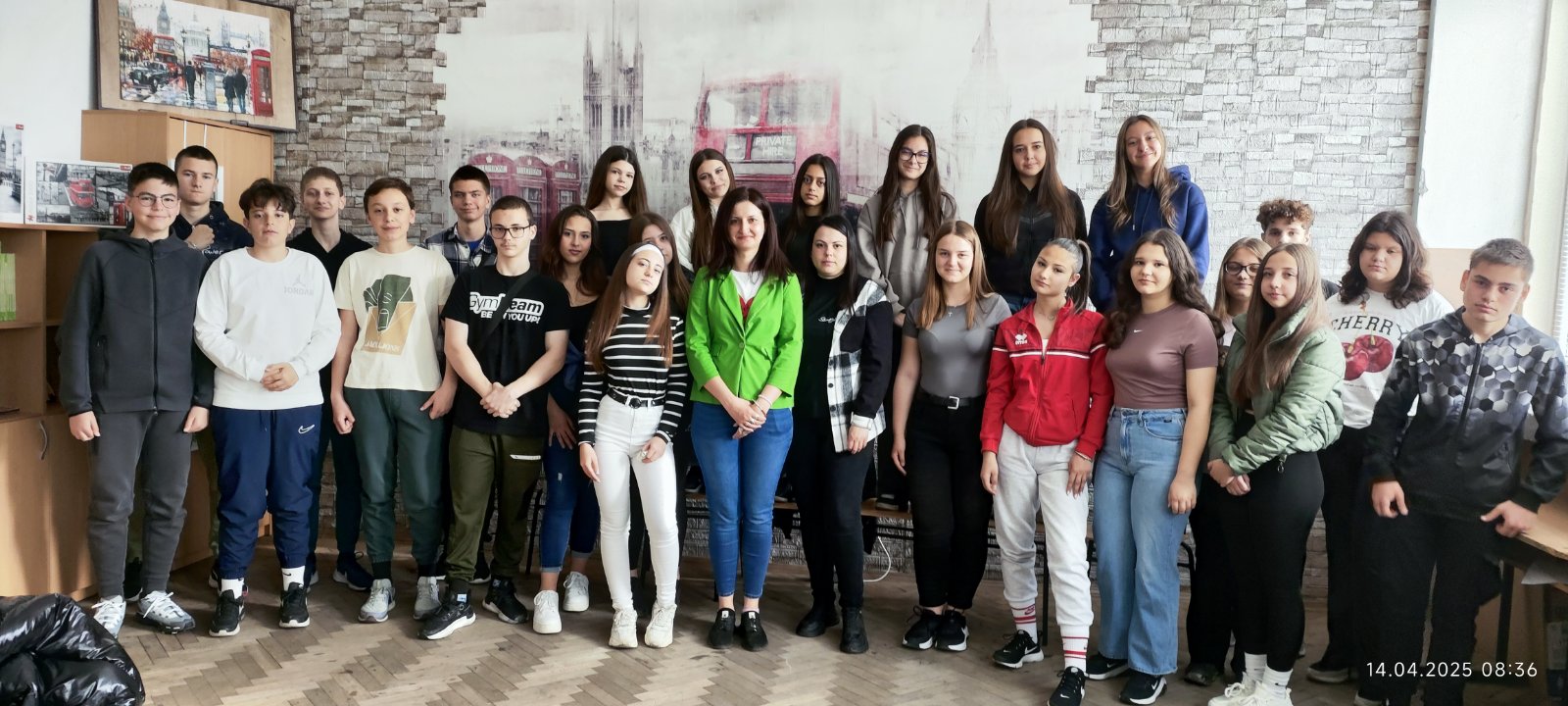
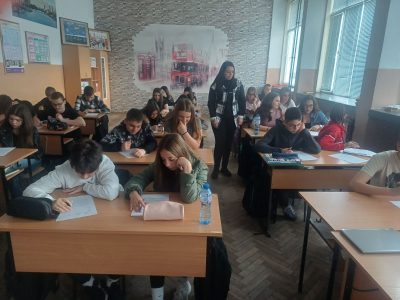
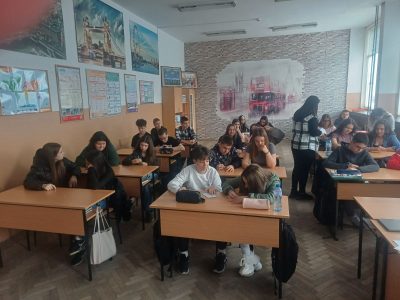
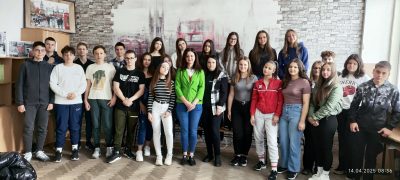
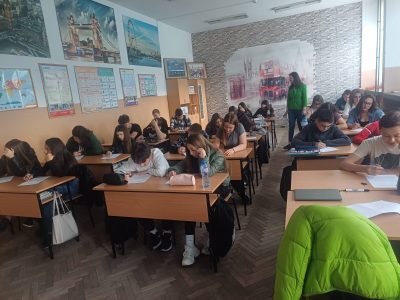
On 14 April 2025, the team of Youth Center – Asenovgrad delivered a non-formal training on emotional intelligence with 8th-grade students at St. Knyaz Boris I Secondary School – Asenovgrad. We opened with a quick warm-up—drawing a “square with three strokes” on the board/flip chart—to spark curiosity and focus. Then we introduced what emotional intelligence is and why the ability to recognize, name, and regulate emotions supports our thinking and behavior in everyday life.
The discussion moved to the difference between feelings and emotions, highlighting the primary feelings (joy, trust, fear, surprise, sadness, disgust, anger) and how they can combine into more complex states. We distinguished consciously experienced feelings from emotions, which can be conscious or subconscious, and explored how this affects self-awareness.
In the hands-on segment, each student received a list of feelings and emotions and was invited to underline/mark their current state and, if willing, share with the group. Together with the youth workers and the psychologist, we discussed positive (joy, surprise, etc.) and negative emotions (anger, sadness, fear, disgust, shame) and how the way we view the world often shapes our emotional response.
To illustrate the power of mindset, we staged a short role-play: “The Optimist and the Pessimist”—contrasting lines about “the same day,” “the same outfit,” and “the same opportunity,” showing how language and perspective frame experience. We then moved to brief personal mini-reflections: what works for me when I feel angry/sad/afraid, and how I can intentionally adjust my response.
We closed with feedback prompts: “What from today will be useful in your life?” and “How can emotional self-awareness help you change yourself and your environment?” Each student added an emoji on a sheet—a visual snapshot of their post-session mood. Students were actively engaged, shared real-life examples, and formulated practical steps for better emotion recognition and regulation.